Solar Installation in Rawalpindi: A 2026 Homeowner’s Cost & Net-Metering Guide
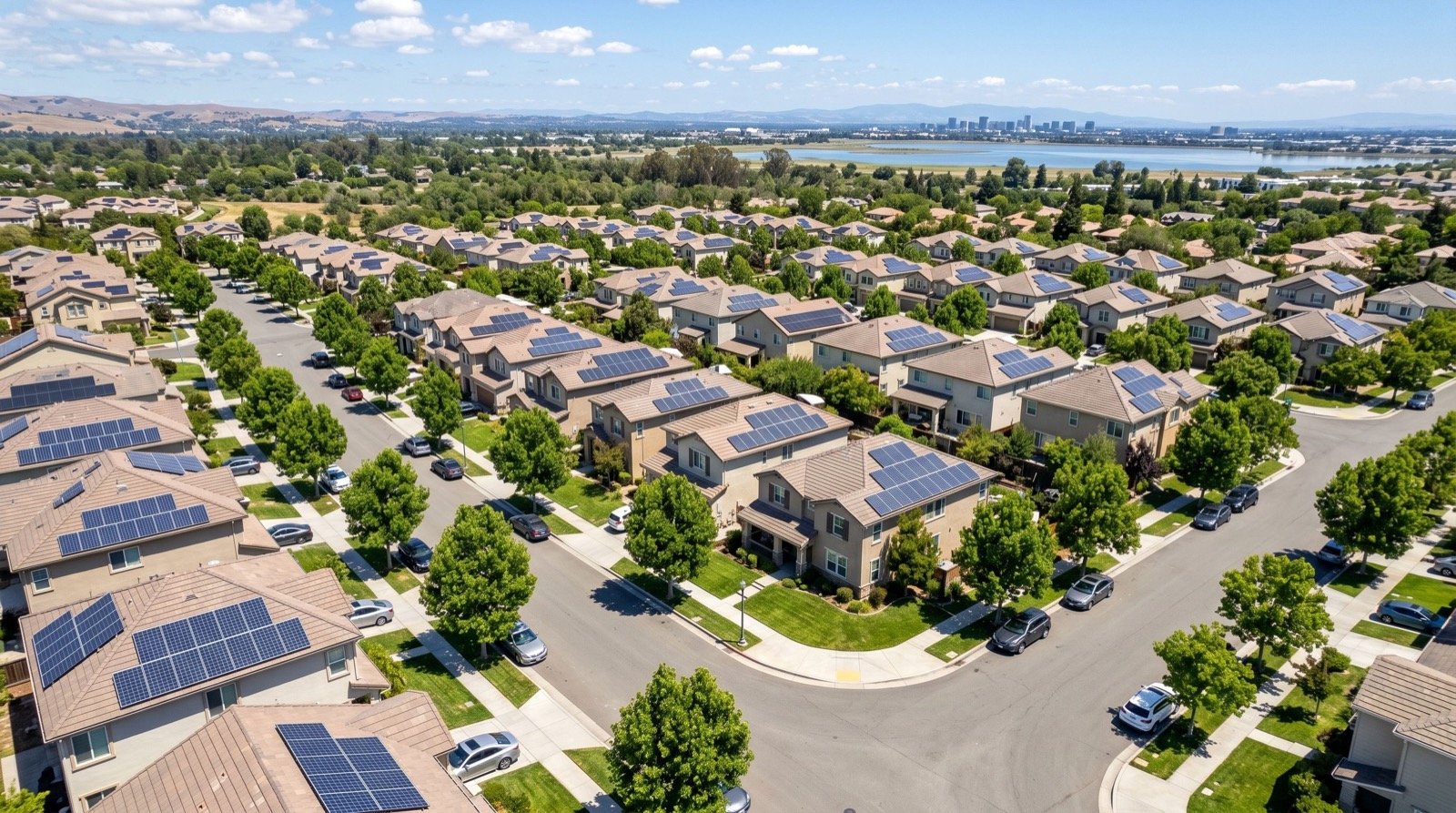
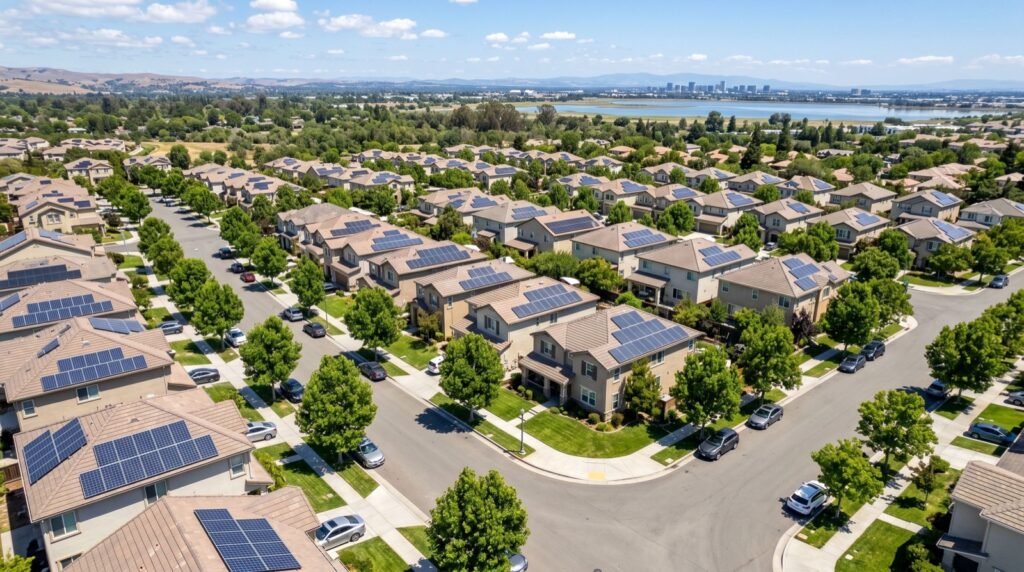
Rising grid tariffs and frequent load shedding have pushed thousands of families toward rooftop power, and a well-planned solar installation in Rawalpindi now pays for itself faster than most people expect. In 2026, falling panel prices and a mature net-metering process make the city one of Punjab’s most rewarding places to go solar. This guide walks you through real costs, system sizing, approvals, and the mistakes that quietly drain savings.
Whether you live in Satellite Town, Bahria Town, or a narrow lane in Saddar, the fundamentals are the same. You need the right system size, quality components, and a clean net-metering connection. Get those three right and your electricity bill stops being a monthly shock.
Why Solar Installation in Rawalpindi Makes Sense in 2026
Rawalpindi sits on the Pothohar plateau, which receives strong, consistent sunlight for most of the year. According to the World Bank Global Solar Atlas, this region averages well over 5 kWh of solar energy per square metre each day. That irradiance level means a modest rooftop array generates serious output.
Grid electricity, meanwhile, keeps climbing. Peak residential slabs now cross expensive thresholds, so every unit you self-generate avoids the most costly tariff. The payback math has rarely looked this good.
The load-shedding factor
Summer afternoons in Rawalpindi still bring outages. A hybrid system with battery backup keeps your fans, fridge, and routers running when the grid drops. That reliability is worth as much to many families as the bill savings.
What a Solar Installation in Rawalpindi Actually Costs
Pricing depends on system size, component quality, and whether you add batteries. The table below reflects typical 2026 turnkey ranges for residential setups in the twin-cities market, including panels, inverter, mounting, and wiring.
| System Size | Rough Monthly Output | Best For | Indicative 2026 Price (PKR) |
|---|---|---|---|
| 5 kW on-grid | 600–650 units | Small home, 1–2 ACs | 8–11 lakh |
| 10 kW on-grid | 1,200–1,300 units | Mid-size family home | 15–20 lakh |
| 10 kW hybrid + battery | 1,200–1,300 units | Backup during outages | 24–32 lakh |
| 15 kW on-grid | 1,800–1,950 units | Large home / small office | 22–29 lakh |
These figures move with the dollar rate and panel wattage, so always get a written, itemised quote. Beware of prices that look too good; they usually hide low-tier inverters or thin mounting structures that fail within a few monsoons.
Where your money goes
- Panels (about 45–55%): Tier-1 monocrystalline modules in the 575W–620W class.
- Inverter (15–20%): The brain of the system; spend here, not here to cut corners.
- Structure & BOS (15%): Galvanised or aluminium mounting, cables, protections.
- Battery (if hybrid): Lithium adds the biggest single cost but the best backup.
- Labour & net metering: Installation, documentation, and inspection.
Net Metering: Turning Your Roof Into a Mini Power Plant
Net metering lets you export surplus daytime generation to the grid and draw it back at night, effectively using IESCO’s network as a free battery. The policy is regulated nationally by NEPRA, and the paperwork is now far smoother than it was a few years ago.
Here is the typical sequence homeowners follow:
- Install a system of 1 kW or larger with a three-phase connection where required.
- Submit the net-metering application to IESCO with equipment specs and a single-line diagram.
- Pass the physical inspection of your array, inverter, and safety gear.
- Receive your bidirectional meter and sign the agreement.
- Start exporting units and watch your bill reflect the credit.
A competent installer handles this entire process for you. If you want help choosing a vetted team, local directories list dependable specialists who manage both hardware and documentation end to end.
How Do I Choose the Right Installer in Rawalpindi?
The hardware matters, but the installer determines whether your system lasts 25 years or 5. Ask every company for AEDB certification, references from nearby jobs, and a clear warranty breakdown that separates product warranty from workmanship warranty.
Visit a completed site if you can. Clean cable management, properly earthed structures, and labelled breakers signal a professional crew. For comprehensive, properly documented solar installation in Rawalpindi, choose a provider that offers post-installation monitoring rather than vanishing after payment.
Red flags to avoid
- Verbal-only quotes with no component model numbers.
- No on-site survey before pricing.
- Pressure to pay the full amount upfront.
- Vague answers about who services the inverter if it fails.
Sizing Your System: A Practical Approach
Start with your last twelve electricity bills. Add the units, divide by 12, and you have your average monthly consumption. A rough rule for Rawalpindi: each installed kW produces roughly 110–130 units per month across the year.
If your home burns 1,000 units monthly, an 8–10 kW system covers most of it. Families planning to add an electric vehicle or extra air conditioning should size up now; expanding later costs more per watt than building it in today.
Comparing Rawalpindi With Other Punjab Cities
Costs and sunlight vary modestly across Punjab. Homeowners comparing quotes across the province often look at a solar installation in Lahore as a benchmark, since Lahore’s larger market can shift pricing on identical equipment. Rawalpindi’s cooler winters actually help panels run slightly more efficiently than in the Lahore heat.
Maintenance and Long-Term Value
Solar is refreshingly low-maintenance, but it is not zero-maintenance. In Rawalpindi, seasonal dust and spring pollen settle on panels and shave output if left unchecked. A gentle rinse every few weeks during dry spells keeps generation near its peak.
Beyond cleaning, an annual check of mounting bolts, cable connections, and inverter readings catches small faults before they grow. Many homeowners pair their system with a monitoring app that flags underperformance automatically, turning guesswork into clear data.
A practical tip from the field: keep a simple monthly log of your generation units and compare it against your installer’s original estimate. If output drifts more than 10% below expectation without an obvious weather reason, call for a service inspection. This one habit has saved Rawalpindi homeowners from months of silent losses caused by a tripped string or a failing connector.
Frequently Asked Questions
How long does a solar installation in Rawalpindi take?
The physical installation of a typical home system takes two to four days. Net-metering approval through IESCO adds roughly three to six weeks, depending on inspection scheduling and document accuracy.
What payback period should I expect in 2026?
Most on-grid residential systems in Rawalpindi recover their cost in three to five years. Hybrid systems with batteries take a little longer because the battery is a replaceable consumable.
Do solar panels work during Rawalpindi winters and fog?
Yes. Output dips on heavily overcast or foggy January mornings, but cool, clear winter days are excellent for generation. Annual production comfortably covers a well-sized home.
Is net metering worth it for a small 5 kW system?
Absolutely. Even a 5 kW system exports surplus midday units and offsets your most expensive evening tariff slabs, shortening payback significantly.
Conclusion: Start Your Solar Journey This Year
A thoughtful solar installation in Rawalpindi in 2026 protects you from rising tariffs, cushions you against outages, and adds lasting value to your property. Focus on quality components, a certified installer, and a clean net-metering connection, and your roof becomes a quiet, 25-year income stream.
Ready to see real numbers for your home? Request a free rooftop survey and itemised quote today, and take the first step toward energy independence before the next tariff hike lands.