Big Dog Waste Cleanup: The 2026 Large-Breed Owner’s Guide
Big dog waste cleanup is a whole different job than tidying up after a small breed. A Great Dane, Mastiff, or Labrador produces far more waste, and it lands in bigger, heavier piles. In 2026, large breeds remain hugely popular, so owners need tools and routines built for real volume. This guide covers exactly that.
If you own a big dog, you already know flimsy gear fails fast. Let us build a cleanup system strong enough for the largest breeds without wrecking your back.
Why Big Dog Waste Cleanup Demands Heavy-Duty Gear
Volume is the core issue. A large dog can produce three to four times the waste of a small breed, so a tiny scoop and thin bags simply cannot cope. Bigger jobs need bigger, stronger tools.
Weight matters too. Heavy waste strains cheap plastic scoopers until they crack, usually at the worst moment. A big dog owner needs metal strength and a wide capacity to finish the job in one pass.
The Frequency Factor
Large breeds go more often and produce more each time. That means daily cleanup is non-negotiable if you want a usable yard. Skipping even two days creates a genuine mess that takes far longer to clear.
Choosing the Right Tools for Large Breeds
Big jobs reward serious equipment. Look for a wide jaw, a long handle, and rust-proof metal construction that survives daily outdoor use.
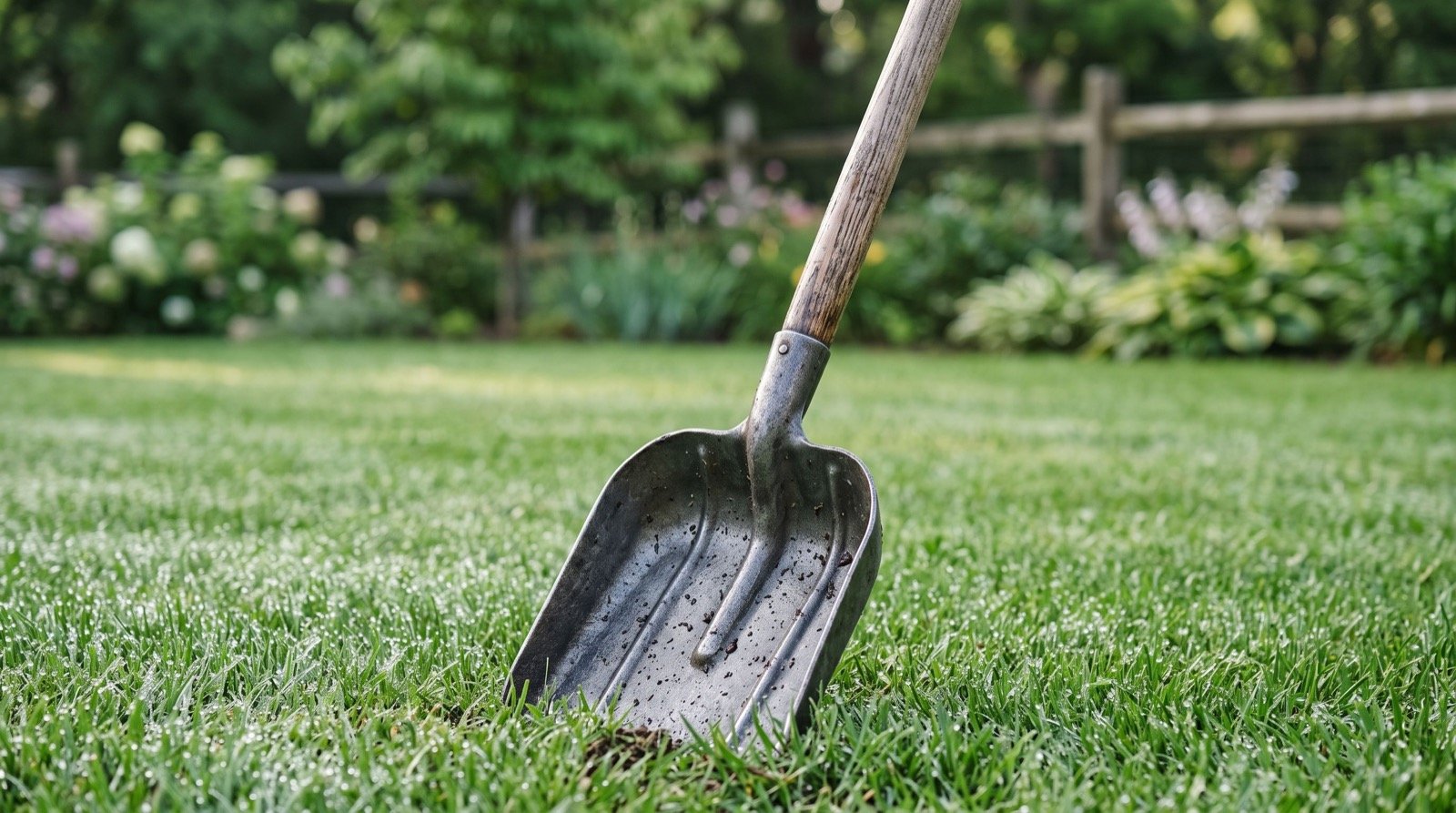
A rugged Pooper Scooper with Bag integration lets you scoop and bag in one smooth motion, which saves real time when the piles are large. The metal build grips heavy waste on grass and concrete without bending or snapping in cold weather.
Match your scooper with equally tough bags. A large-capacity Dog poop bag that resists tears keeps big cleanups clean, because nothing ruins the job faster than a bag that splits under weight.
How Much Waste Does a Big Dog Really Produce?
Owners are often surprised by the numbers. Understanding the volume helps you plan bag sizes and cleanup frequency accurately.
| Breed Size | Example Breeds | Approx. Daily Waste | Recommended Tool |
|---|---|---|---|
| Large | Labrador, German Shepherd | 0.75–1 lb | Wide metal scooper |
| Giant | Great Dane, Mastiff | 1–1.5 lb | Extra-wide scooper + XL bags |
| Multiple large dogs | Two-plus big breeds | 2 lb or more | Rake scooper + bulk bags |
These figures show why big dog owners cannot rely on tools built for toy breeds. Scale your gear to the animal.
A Cleanup Routine Built for Volume
With big dogs, structure keeps the yard livable. A clear routine prevents the pile-up that makes cleanup feel overwhelming.
- Scoop fresh waste every morning before it hardens or spreads.
- Do a second evening pass after the last bathroom break.
- Use large bags so one trip clears the whole yard.
- Rinse and disinfect high-traffic bathroom spots weekly.
- Rotate the designated potty area to protect the grass.
Twice-daily cleanup keeps big dog messes manageable. It is far easier than tackling a full weekend backlog.
Protecting Your Back
Bending repeatedly to clear heavy waste strains your spine. A long-handled scooper lets you work upright, which is a real relief when you clean a large yard twice a day. Ergonomics is not a luxury for big dog owners; it is essential.
Health and Yard Considerations for Large Breeds
More waste means more bacteria and faster lawn damage. Large-breed nitrogen output burns grass quickly, so removal and lawn care go hand in hand.
- Remove waste daily to limit parasite buildup in the soil.
- Overseed burned patches each season to keep turf strong.
- Use enzyme cleaners on patios where big dogs frequent.
- Keep a large, sealed outdoor bin to contain the volume.
The American Kennel Club highlights that responsible waste management is a core part of large-breed ownership; you can review breed care advice through the AKC expert advice hub. Bigger dogs simply carry bigger responsibilities.
When to Bring in Support
Owning multiple giant breeds is a serious workload. On busy stretches, a scheduled service keeps the yard under control. An experienced local team can handle heavy cleanups while you focus on training, exercise, and everything else big dogs need.
Managing Waste on Walks With a Big Dog
Cleanup does not stop at the backyard. Large dogs produce big messes on walks too, and handling them in public demands preparation and courtesy.
Carry more bags than you think you need, and choose extra-large sizes. A big dog can catch you off guard, and running out of bags mid-walk is both embarrassing and irresponsible. A leash-mounted dispenser keeps a fresh supply always within reach.
Technique matters with heavy loads. Use a large bag turned over your hand, grip the full amount in one motion, and tie it tightly to seal odor. For very large breeds, a compact folding scooper carried on longer walks saves your hands and keeps pickup clean.
Public courtesy protects every dog owner’s reputation. Always clean up promptly on sidewalks, parks, and trails, and never leave a bag behind to grab later. Big dogs draw attention, so responsible handling keeps neighborhoods welcoming.
Storage and Disposal for High Volume
Large breeds fill bins fast, so plan your disposal. A dedicated outdoor bin with a tight lid contains odor between collection days, even with a full week of big-dog waste inside.
Line the bin with a sturdy bag and empty it on schedule so it never overflows. In hot weather, more frequent emptying prevents the odor buildup that a single large dog can generate surprisingly quickly.
Frequently Asked Questions
How often should I clean up after a big dog?
Twice daily is ideal for large and giant breeds. They produce far more waste than small dogs, so morning and evening passes keep your yard usable and prevent odor and parasite buildup.
What size scooper do I need for a large breed?
Choose a wide-jaw metal scooper with a long handle. It clears bigger piles in one pass, resists cracking under heavy weight, and lets you work upright to protect your back.
Are regular poop bags strong enough for big dogs?
Often not. Big dogs need large-capacity, tear-resistant bags that hold heavy waste without splitting. Thin bags fail under weight, so invest in durable heavy-duty options.
Does big dog waste damage grass faster?
Yes. The higher volume and nitrogen content burn grass quickly. Remove waste daily, rotate the potty area, and overseed damaged patches each season to keep your lawn healthy.
Final Thoughts
Big dog waste cleanup rewards strength, routine, and the right tools. Choose a wide metal scooper, stock large tear-proof bags, and clean twice daily to stay ahead of the volume. In 2026, large-breed ownership stays enjoyable when your gear matches your dog. Equip yourself properly today, and even the biggest cleanup becomes a quick, back-friendly task.